
IVM PROGRAM SUSTAINABILITY FACTORS
The factors below are all integral to the overall sustainability of an IVM program. These pillars are what Orion IVM brings together to ensure ALL aspects of an organization’s efforts in delivering safe, reliable energy are understood, deliverable and repeatable.
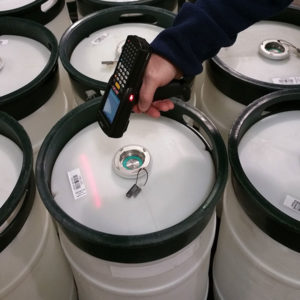 SAFETY… First and Foremost! Training on the proper use and handling of specific products is paramount. Emphasizing the necessity to remain situationally aware and communicate any potential hazard is critical. We recommend closed-system handling using a return/refillable container format to reduce applicator exposure. Everyone involved in any IVM program is responsible for safety, both personal and environmental.
 A pillar in any IVM activity! Environmental awareness is built upon product stewardship and understanding where and what particular products fit in any given program, or if they fit at all. Be knowledgeable about areas where threatened or endangered species are present and communicate management intentions.
Promoting closed-system handling and custom-blending reduces spill potential, guarantees product integrity and drastically limits field-mixing mistakes. Furthermore, return/refillable containers reduce an environmental footprint through landfill waste reduction.
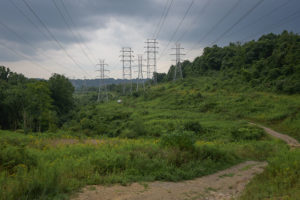 Public opinion counts. Bring regional/local demographics into your decision making processes. Understand that the general public pays little attention to a ROW until it becomes unsightly or their power goes out. Whether its left unattended and overgrown, mechanically reclaimed or treated with a herbicide, drastic change draws attention. Plan treatment timing whenever necessary and remember the slow-to-show options when it comes to herbicide recommendations. Designate buffer areas in high profile places or near water. Maintain selectivity through application type and applicator training.
Imperative for cost reduction and inventory control! Pre-planning work flow and ensuring application specific information is transferred in a timely, complete and accurate manner. Providing just-in-time inventory delivery within close proximity to work areas keeps work productive and reduces unnecessary inventory storage and transport. Smart logistics are simple activities that benefit each partner in an IVM program and ultimately reduce overall cost.
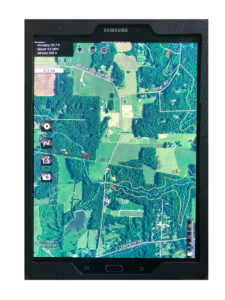
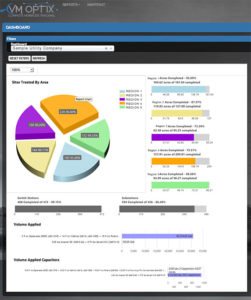
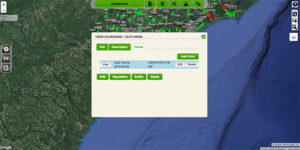
Electronic information exchange, documentation, archiving, and remote program monitoring is critical! The VMOptiX suite of software provides a clear answer to eliminating duplication of paper forms, provides crew locations, builds customized metrics to gauge and monitor activity via online dashboards. The ability to use historic information to make future management decisions makes sense!
 What does success look like? The bigger picture of an IVM program!
Setting an expectation for long-term ROW conditions is paramount in understanding what IVM activities are providing. Determining your goals from a larger perspective will allow a focus towards what success actually is. Reliability, access, habitat, full-width maintenance, aesthetics etc… may all be goals but we must have benchmarks to measure our progress. Cost/Benefit analysis even in a simple form is a key component.

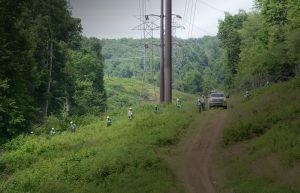
With sustainable IVM, everybody benefits! Through the proper implementation of an IVM approach to ROW landscape management, corridors are kept in a perpetual state of early successional habitat. Rights-of-way traverse through forests, agricultural fields, urban areas, and all other landscape types – they provide the perfect opportunity to create wildlife habitat. Early successional vegetation conditions, obtained through proper IVM maintenance activities, benefit ROW managers by allowing safe access and un-interrupted power delivery; many species of wildlife, from pollinators to large game animals, benefit from the cover provided and the food source. Orion IVM was proud to be a sponsor of the first, ROW specific, educational session at the 2018 National Wild Turkey Federation meeting in Nashville, TN.
Key Message
Rights-of-way managers utilizing an IVM approach have a good story to tell!
The general public doesn’t understand what IVM entails or what it delivers. Staying committed to delivering safe, reliable energy while managing public perception creates a lot of moving parts. By mandating safe work practices, overall product stewardship, sound environmental awareness, landscape level decision-making, wildlife habitat improvement, smart logistics and technology adoption, ROW managers create solid pillars to serve as a foundation for “Sustainable IVM.” Always be proud to tell this story!